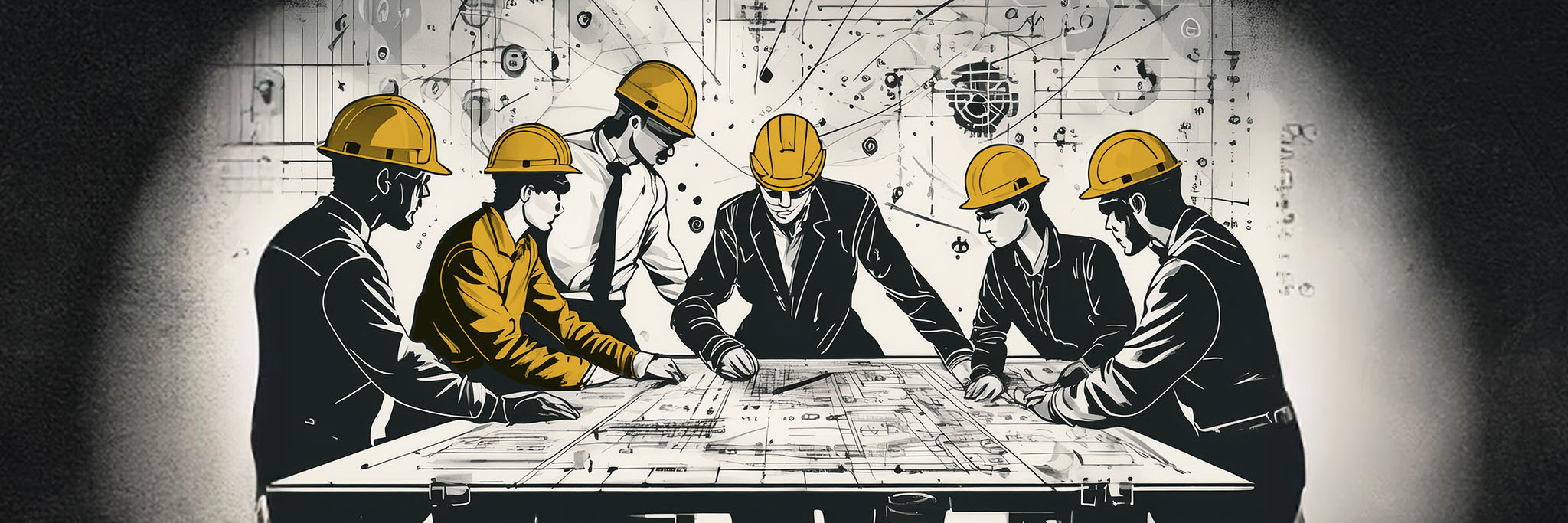
Prompting can be Agile or Waterfall
In the past, engineering teams spent decades working with Waterfall approaches to product development before switching to more Agile -oriented approaches. Debatably, Agile can be better, not because it’s quicker than Waterfall, but because it doesn’t assume the right answer from the beginning. Instead, Agile embraces trials, changes, and pivoting during implementation. So that it can get to a more useful result, rather than just a pre-planned one.
Agile, however, can be slower. Humans take time to do the work, and doing, testing, changing, and redoing takes longer than simply building to a comprehensive plan outlined at the start.
But even so, iterating to the right goal slowly is almost always more useful than investing significantly at the planning stage, with less information, and then building something that may ultimately miss the mark.
And yet… prompt engineering seems to forget this.
When enlisting AI as part of the process, prompt engineering seems to ask us to front-load the work in the planning phase — To invest more time in definition and specifications up-front (When work is done by humans), so that we can make the implementation phase more efficient (When work is done by AI).
Seems rather inefficient, right? And almost inhumane.
Even if just considering efficiency, why would we go back to a Waterfall approach just when the resource cost of iterating in the implementation phase plummets to zero?
What’s wrong with asking a slightly malformed question and getting an incorrect result, if the cost of trying again is negligible? Agile’s main deficiency is evaporating, so is now really the time to err against it?
AI tools don’t require days to make a change, nor charge by the hour, and they don’t get frustrated by changing product requirements. So why take on the responsibility of creating the perfect brief when you can iterate to perfection alongside the machine.
 designdebt.club